
SURGERY
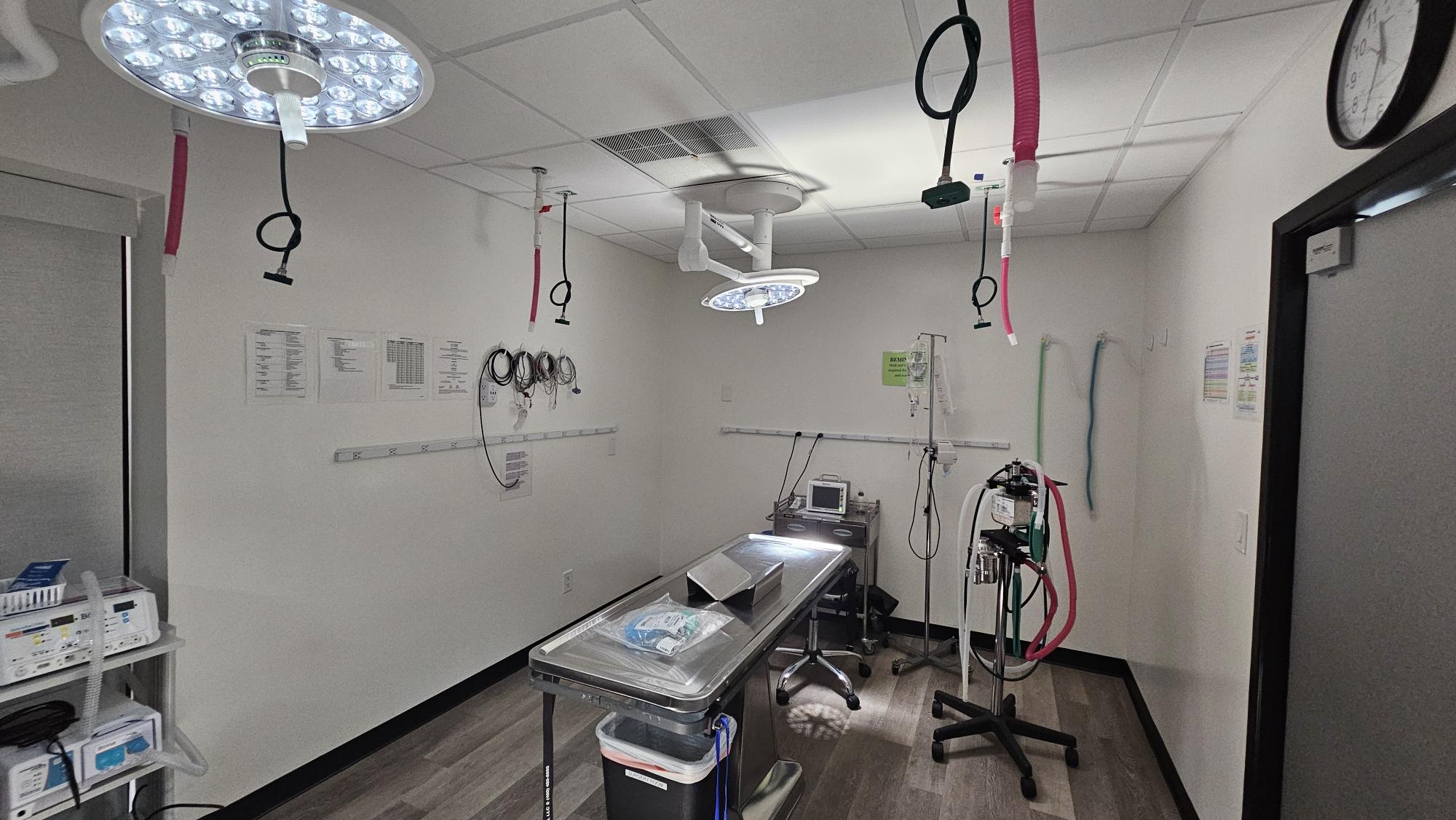
Surgery at Crown UrgentVet
Learning that your furry friend needs surgery can feel overwhelming, and it’s natural to have questions. With so much information available online, it can be difficult to know what’s accurate. At Crown UrgentVet, we’re committed to providing reliable guidance so you can make informed decisions about your pet’s care with confidence.
Whether your furry friend has been referred for a surgical procedure or you’re seeking a second opinion, our experienced veterinary team is here to help. We take the time to explain every step of the process, answer your questions, and provide compassionate care before, during, and after surgery. To schedule an appointment or consultation, call Crown UrgentVet at (480) 613-9277.
Preparing for Surgery
Before the procedure, it’s important to understand what to expect during surgery and throughout the recovery process. Our team will discuss post-operative care instructions, activity restrictions, medications, and any follow-up appointments your pet may need.
Preparing your home ahead of time can also make recovery easier. Most pets benefit from a quiet, comfortable area where they can rest away from household activity, other pets, and young children. Depending on the procedure, your pet may also require extra supervision and assistance during the healing period.
Why Is Pre-Surgical Blood Work Important?
Pre-operative laboratory testing is an important part of helping ensure your dog’s safety under anesthesia. Blood work allows our veterinarians to evaluate your pet’s overall health and identify any underlying conditions that could affect the surgical procedure or recovery.
The information gathered helps us determine whether anesthesia is appropriate, assess potential risks, and customize the anesthetic plan to meet your dog’s individual needs.
What Does Pre-Surgical Blood Testing Evaluate?
Your veterinarian will review several key health indicators before surgery. One of the most important is your dog’s platelet count, which helps determine whether their blood can clot normally during and after the procedure.
Additional blood tests evaluate the function of vital organs and other important health markers, including:
- Kidney function
- Liver function
- Blood glucose (blood sugar)
- Electrolyte balance
- Pancreatic function
- Thyroid function
Reviewing these values helps us understand how your pet’s body is likely to process anesthesia and whether any adjustments should be made before surgery. If testing identifies any significant health concerns, we can modify the treatment plan or recommend additional diagnostics to help provide the safest possible surgical experience.